Cite this dataset
NeuroBioSense [Data set]. (n.d.). mendeley. https://doi.org/10.17632/7md7yty9sk.1
@misc{neurobiosenseneurobiosense,
  title         = {{NeuroBioSense}},
  howpublished  = {mendeley},
  doi           = {10.17632/7md7yty9sk.1}
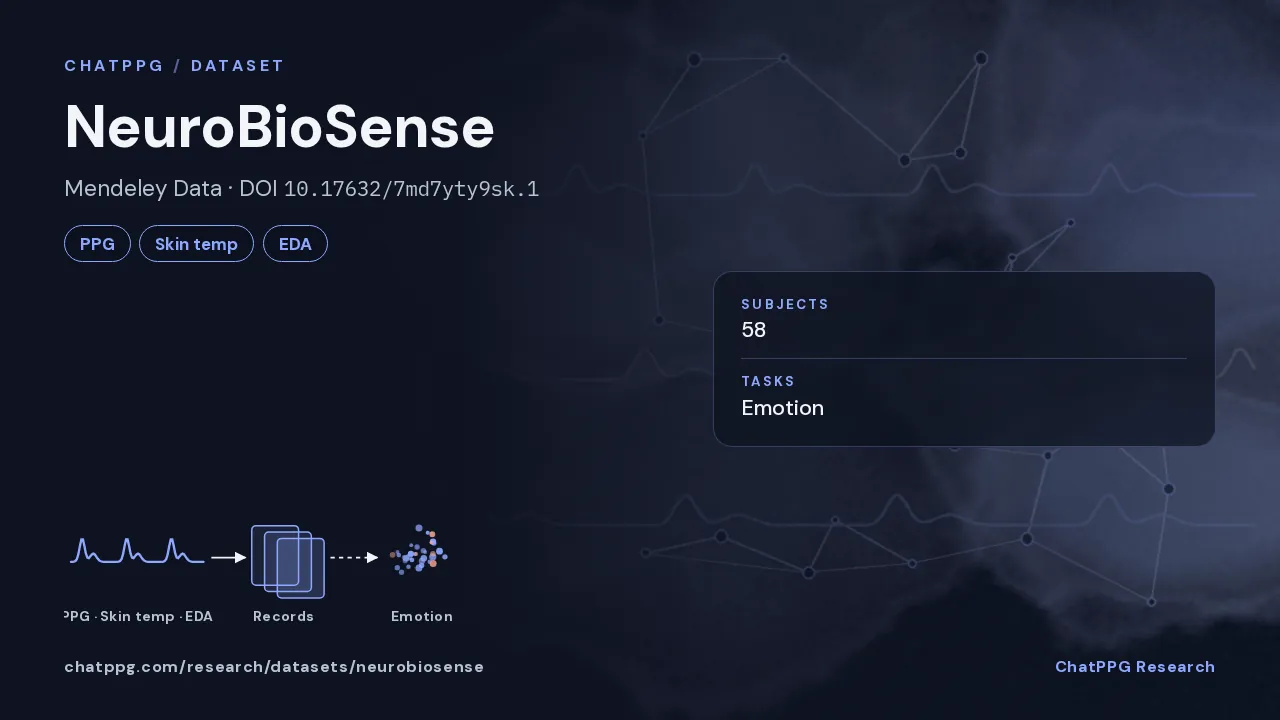
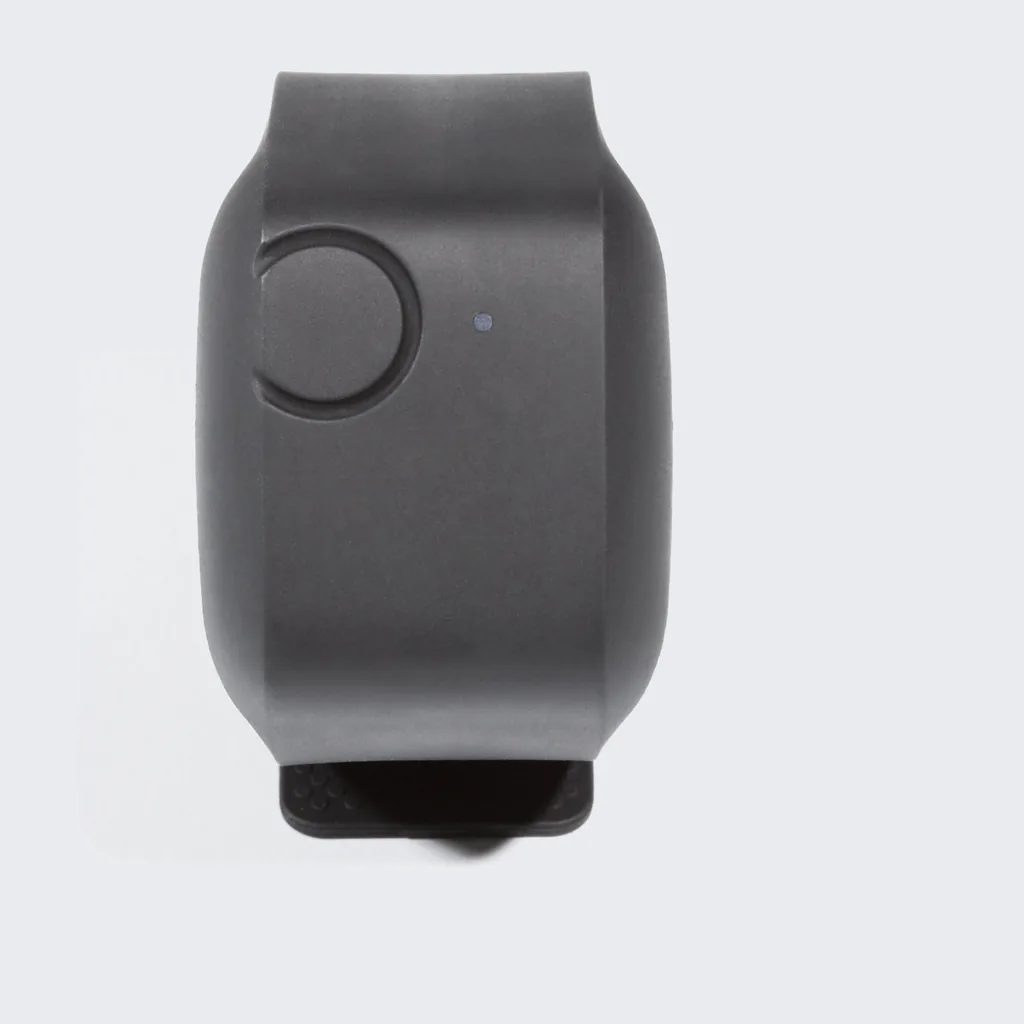
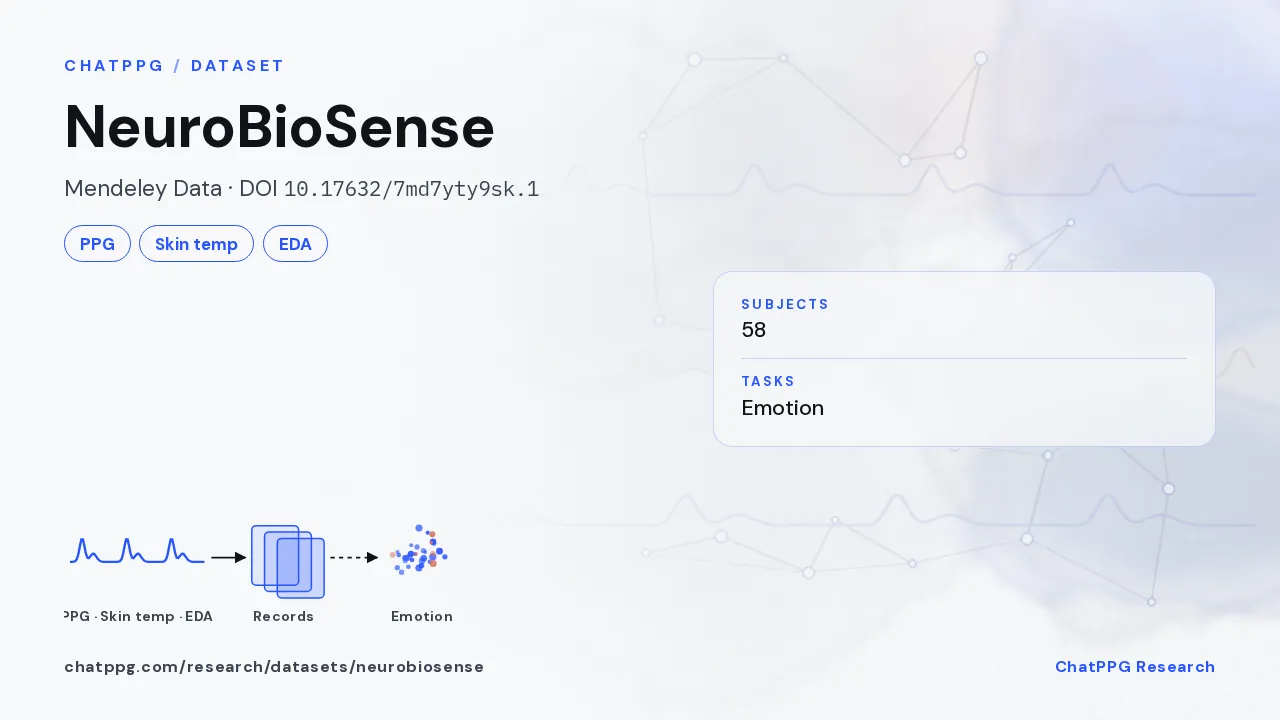
}NeuroBioSense records physiological responses while participants watched 35 brand advertisements in three categories: cosmetics and fashion, cars and technology, and food and market. An Empatica E4 captured PPG, electrodermal activity and body temperature, and participants rated their emotions on an appraisal scale. It is aimed at neuromarketing research.
The dataset provided in this study serves as a helpful resource for comprehending emotional reactions within the domain of neuromarketing. Data was acquired from a sample of 58 participants, ranging in age from 18 to 70, through the implementation of a carefully planned experimental design. The participants were shown a collection of 35 branding advertisements classified into three categories: cosmetics and fashion, car and technology, and food and market. The Empatica e4 wearable sensor device was utilized to record several physiological signals, such as photoplethysmography (PPG), electrodermal activity (EDA), and body temperature. Concurrently, the process of capturing facial expressions was conducted using high-definition cameras during periods dedicated to viewing advertisements. The emotional assessments of the participants were evaluated utilizing an emotion appraisal scale, while demographic information was gathered via questionnaires. The utilization of this multifaceted dataset allows scholars to explore the complex realm of consumer decision-making processes, taking into account variables such as age, gender, and varied cultural backgrounds. Through the integration of physiological signals and facial expressions, the dataset offers valuable insights into the underlying neurological mechanisms that drive emotional responses toward branded commercials. This can be utilized by researchers to study emotional patterns, investigate correlations between consumers and advertising, and develop customized neuromarketing methods that are beneficial for individual preferences.
Verbatim fromDataCite· Licence: https://creativecommons.org/licenses/by/4.0/legalcode
No model in the hub reports results on this dataset yet.
Full photo credits, sources and licences are on each device page.
NeuroBioSense has data from 58 subjects, as listed in its research record.
NeuroBioSense includes PPG, skin temperature and EDA data. Sampling rate as recorded: BVP 64Hz; EDA/TEMP per E4. Raw waveforms are included.
Research tasks it supports: emotion recognition.
It is hosted on Mendeley Data at https://data.mendeley.com/datasets/7md7yty9sk/1. Licence: CC BY 4.0.
Yes. Its record lists wrist-worn recording.
NeuroBioSense [Data set]. (n.d.). mendeley. https://doi.org/10.17632/7md7yty9sk.1
@misc{neurobiosenseneurobiosense,
title = {{NeuroBioSense}},
howpublished = {mendeley},
doi = {10.17632/7md7yty9sk.1}
}Cite the dated snapshot 2026-10 for a fixed, reproducible version. Please also cite the original publications listed above.
ChatPPG. (2026). NeuroBioSense: dataset record (Version 2026-10) [Data set]. ChatPPG Research Hub. https://chatppg.com/research/datasets/neurobiosense
@misc{chatppg_dataset_neurobiosense,
  author       = {{ChatPPG}},
  title        = {{NeuroBioSense: dataset record}},
  year         = {2026},
  month        = nov,
  version      = {2026-10},
  howpublished = {\url{https://chatppg.com/research/datasets/neurobiosense}},
  note         = {ChatPPG Research Hub, Snapshot 2026-10, https://chatppg.com/research/snapshots/2026-10}
}cff-version: 1.2.0 message: "If you use this resource, please cite it as below." type: dataset title: "NeuroBioSense: dataset record" authors: - name: "ChatPPG" url: "https://chatppg.com/research/datasets/neurobiosense" repository-artifact: "https://chatppg.com/research/snapshots/2026-10" version: "2026-10" date-released: "2026-11-13"
Record updated
 A Data-Driven Multidimensional Framework for Physiological Emotion Characterisation in Immersive Virtual RealitySame task: StressPhysiological Measurement · 2026
 FIRMED: A Peak-Centered Multimodal Dataset with Fine-Grained Annotation for Emotion Recognition (Tang et al., ACM MM 2026)Same task: StressACM Multimedia 2026 · 2026